
What Is Otosclerosis? Causes, Symptoms, and Treatment Methods

Otosclerosis is a pathology predominantly localized to the ossicular chain of the middle ear. The condition clinically manifests with symptoms including tinnitus, vertigo, and progressive hearing loss.
1. What Is Otosclerosis?
Otosclerosis is a hereditary bone remodeling disorder of the otic capsule, characteristically involving the stapes footplate, which compromises mechanical sound transduction and culminates in conductive, sensorineural, or mixed hearing loss, occasionally progressing to profound deafness. It represents one of the primary etiologies of progressive hearing impairment in the adult demographic.
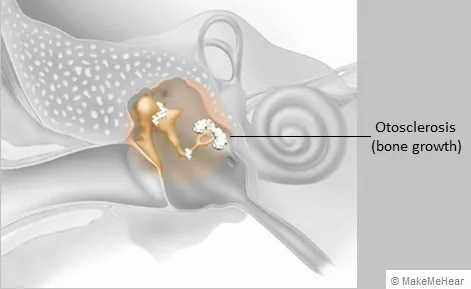
2. Causes of Otosclerosis
The primary etiology of otosclerosis remains incompletely understood. However, several factors may be associated with the development of this condition, including:
- Genetics: The condition commonly occurs in families with a history of the disease, indicating that genetic factors play a significant role.
- Hormonal changes: Physiological fluctuations within the body, particularly in women during pregnancy or menopause, may contribute to accelerated disease progression.
- Viral infection: Certain studies suggest that viral infections, such as measles, may trigger the development of otosclerosis in predisposed individuals.
3. Symptoms of Otosclerosis
Symptoms of otosclerosis develop gradually over time and may include:
- Hearing loss: This is the most prevalent symptom, typically originating in one ear and progressively extending to both ears.
- Tinnitus: Patients may perceive ringing, buzzing, or humming sounds within the ears.
- Dizziness and loss of balance: Otosclerosis can affect the body's equilibrium, resulting in sensations of dizziness or unsteadiness.
– Paracusis phenomenon: Hearing improves in noisy environments: Patients can hear more clearly in environments with a lot of noise.
4. Treatment Modalities
Currently, multiple therapeutic modalities are available for otosclerosis to improve hearing and alleviate symptoms:
Pharmacological Management:Sodium Fluoride: This medication may help slow the progression of hearing loss in certain patients, particularly when the disease is detected early.
Auditory Amplification and Assistive Devices:Hearing aids: Hearing aids can help enhance auditory function for patients with mild to moderate hearing loss.
Surgical Intervention:Stapedectomy: This is the most common surgical procedure in the treatment of otosclerosis. The surgeon replaces the damaged stapes with a prosthesis to improve acoustic conduction.
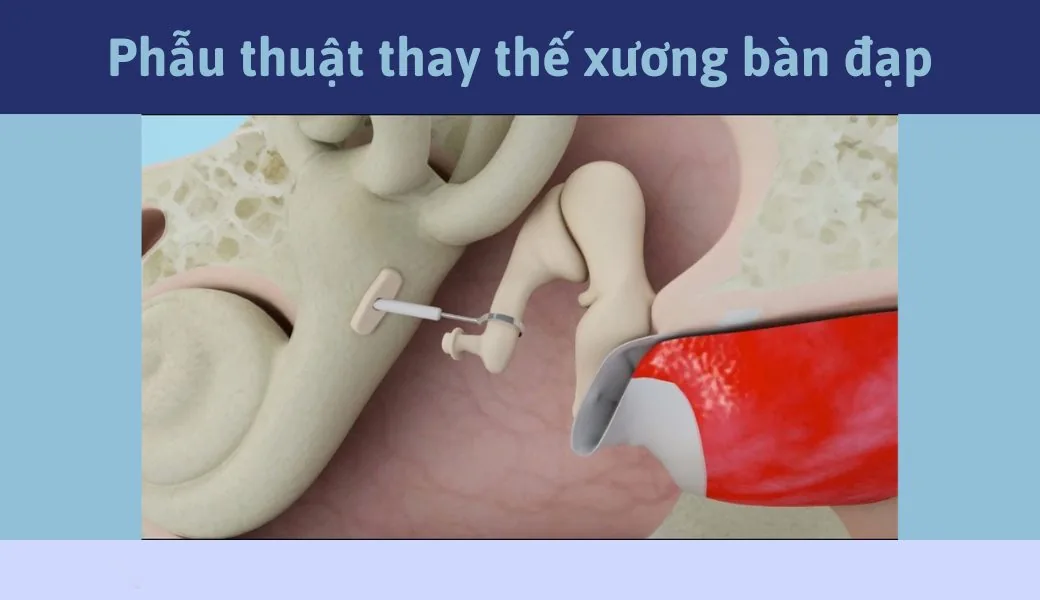
If not promptly treated, otosclerosis can lead to permanent hearing loss. Early detection and the application of appropriate treatment interventions help improve the patient's quality of life. If you experience any signs related to otosclerosis, seek consultation and timely treatment from ENT specialists.
Dr. Tran Trong Uyen Minh, MD, PhD, with over 30 years of experience in the examination and treatment of ear, nose, and throat diseases, is in charge of the ENT specialty at Sante Hospital.
Contact us immediately for consultations and to book an appointment with leading specialists at Sante Hospital:
Address: 11A Dinh Bo Linh, Ward 24, Binh Thanh District, Ho Chi Minh City
Hotline: (+84) 28 2200 8686
Fanpage: www.facebook.com/benhviensante
Website: www.benhviensante.com