
Liver cancer screening - Early detection, easy treatment

Liver Cancer Screening ...is an essential measure that facilitates early detection and significantly enhances treatment outcomes. Driven by advancements in medical technology, state-of-the-art diagnostic imaging and liver biopsies are readily available to thoroughly evaluate hepatic health and detect tumors. Undergoing routine screening is vital for proactive prevention and timely intervention. We invite you to explore comprehensive insights into liver cancer screening in the article below.
What is liver cancer?
- Liver cancer is a malignancy arising from aberrant hepatocytes. The liver constitutes a vital organ in the human body, fulfilling essential physiological roles such as bile secretion, toxin clearance, protein synthesis, and glycemic regulation. When hepatocytes undergo atypical and unregulated proliferation, they form malignant neoplasms, culminating in liver cancer.
- Liver cancer is broadly classified into two primary categories:
- Primary liver cancer iswhen the malignancy originates directly within the liver tissue.
- Metastatic liver cancer occurs when cancer cells spread to the liver from other primary sites in the body.
– The etiology of liver cancer involves multiple risk factors, including chronic hepatitis B or C viral infection, exposure to toxins such as alcohol and tobacco, occupational carcinogens, and underlying hepatic disorders such as cirrhosis or hepatic steatosis (fatty liver disease).
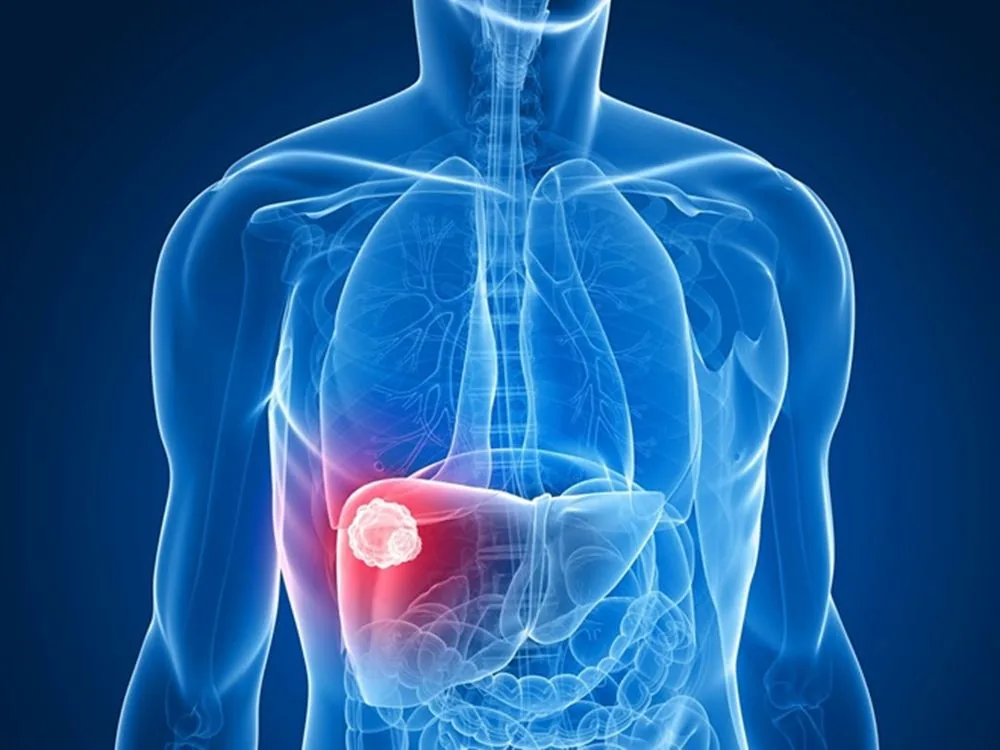
Liver cancer is a malignancy originating from abnormal hepatic cells
– Clinical manifestations of liver cancer may include persistent fatigue, unintentional weight loss, loss of appetite, pain in the hepatic region, abdominal distension, and gastrointestinal bleeding.
– Diagnosing liver cancer typically entails dedicated blood panels, hepatic ultrasonography, computed tomography (CT), magnetic resonance imaging (MRI), and other clinical evaluations.
– Therapeutic strategies for liver cancer depend on the disease stage and the patient’s overall physiological status. Modalities may include surgical intervention, chemotherapy, radiation therapy, targeted therapy, and comprehensive supportive care, such as personalized nutrition and adjunctive medication.
– Liver cancer remains one of the most prevalent and rising malignancies in Vietnam. According to 2020 GLOBOCAN data, liver cancer accounted for 14.5% of all cancer diagnoses, with 26,418 newly registered cases.
– Although liver cancer is amenable to effective treatment when detected early, patients are frequently diagnosed at an advanced stage, where median survival may not exceed six months. Consequently, prompt detection and timely intervention are of paramount importance.
– Who, therefore, should be prioritized for liver cancer screening? What is the ideal timeline for screening? Where are specialized screening services available, and what are the associated costs? We invite you to read the detailed insights presented below.
Who Should Undergo Liver Cancer Screening, and at What Intervals?
– Regular liver cancer surveillance is strongly advised for specific groups, particularly individuals presenting with elevated risk factors. These high-risk candidates include:
- Family History: Individuals with a family history of liver cancer exhibit an elevated risk of developing the malignancy and should undergo routine surveillance.
- Hepatitis B and/or Hepatitis C Viral Infection: These viruses can induce chronic hepatitis and substantially elevate the risk of hepatic malignancy. Individuals with chronic viral hepatitis require systematic, routine screening.

Candidates for Liver Cancer Screening: High-Risk Individuals
Non-Alcoholic Fatty Liver Disease (NAFLD): Individuals with non-alcoholic fatty liver disease (NAFLD/MASLD) are also subject to an increased risk of liver cancer and should be monitored through regular screening.
- Autoimmune Liver Disease and Other Autoimmune Conditions: Individuals with autoimmune liver disease or other autoimmune disorders—such as diabetes, Graves' disease, rheumatoid arthritis, and systemic lupus erythematosus—also carry an elevated risk of developing liver cancer.
- Cirrhosis Associated with Alcohol and Substance Abuse: Patients with liver cirrhosis resulting from chronic alcohol or substance abuse face a significantly heightened risk of liver cancer and require regular screening.
Liver cancer screening is generally recommended at least every six months. However, the precise interval may vary based on individual clinical circumstances and physician evaluation. It is essential to adhere to your designated appointment schedule to ensure timely and effective surveillance.
Essential Diagnostic Tests for Liver Cancer Screening
Blood Tests
A blood test is routinely performed to measure serum alpha-fetoprotein (AFP) levels, which, combined with ultrasound imaging, assists in screening for cellular-level liver malignancies. However, the definitive diagnostic role of AFP is interpreted with clinical discretion, as levels may also rise during active hepatitis or cirrhosis, and conversely decrease following effective hepatitis therapy.

Blood Testing as a Modality for Liver Cancer Screening and Detection
A normal serum AFP concentration is generally below 20 ng/mL, whereas a clinical threshold suggestive of liver cancer is typically 400 ng/mL.
Combining the AFP assay with hepatic ultrasound significantly enhances the diagnostic yield of liver cancer screening.
Abdominal Ultrasound
Abdominal ultrasonography is an imaging modality that captures high-resolution views of the liver in real time. This technique enables physicians to evaluate tissue integrity and detect focal lesions, including early-stage nodules under 1 cm in diameter.
Serum AFP testing and abdominal ultrasonography are routinely performed concurrently to optimize screening accuracy. This integrated approach markedly improves the early detection of hepatic anomalies, including early-stage lesions.
The clinical decision to implement AFP testing and abdominal ultrasonography is tailored by a medical specialist, based upon each patient's individual health status and risk profile.
Additional Diagnostic Modalities
Abdominal Computed Tomography (CT)
An abdominal CT scan enables clinicians to identify hepatic anomalies, including neoplasms. This advanced imaging modality delivers precise anatomical data regarding tumor dimensions, morphology, and spatial localization, as well as the involvement of adjacent vasculature.
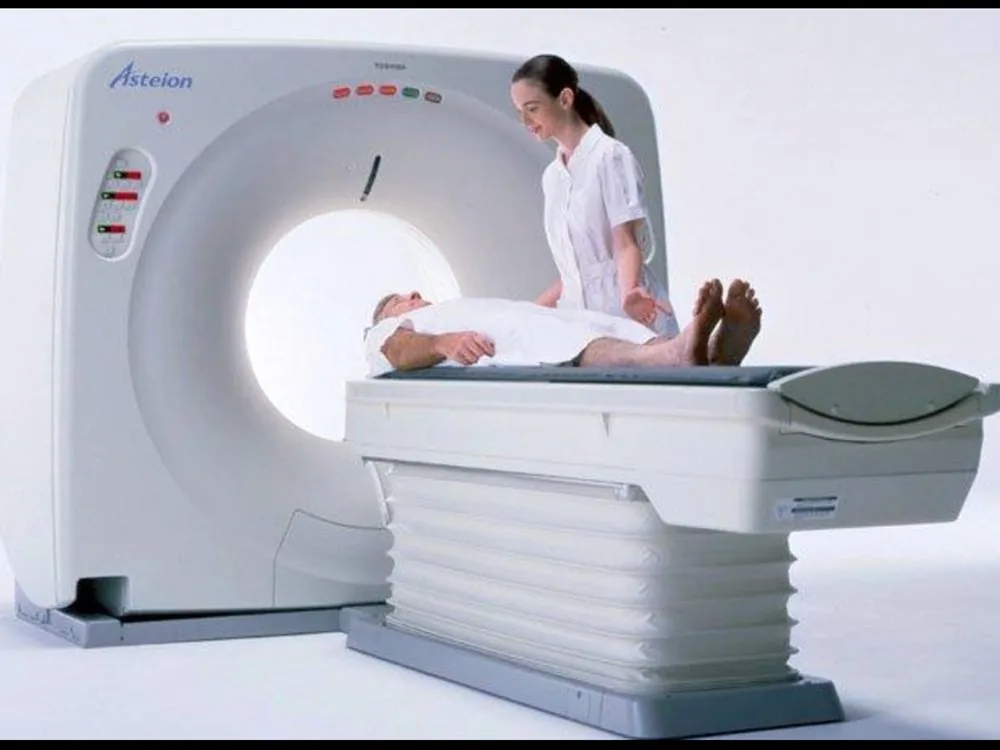
An abdominal CT scan assists clinicians in detecting structural abnormalities within the liver.
Liver Biopsy
In selected cases, a liver biopsy may be performed to confirm whether a hepatic mass is malignant. The clinical decision to proceed with a biopsy is guided by equivocal imaging findings and elevated AFP levels.
During the procedure, a fine needle is guided percutaneously into the liver to harvest a tissue sample from the target lesion. The specimen is subsequently evaluated under microscopy by a pathologist to establish an accurate histological diagnosis.
Advanced imaging modalities and liver biopsy serve as vital tools in the surveillance and definitive diagnosis of liver cancer. Nonetheless, the selection of these procedures is judiciously determined by a medical specialist, tailored to the patient's overall health and unique clinical presentation.
What is the Estimated Cost of Liver Cancer Screening?
The cost of liver cancer screening varies depending on the specific diagnostic tests and clinical protocols selected. While healthcare facilities often provide comprehensive screening packages at standardized rates, the overall fee may reflect facility standards, institutional designation (public or private), ancillary medical services, and regional location.
– For comprehensive details regarding liver cancer screening fees, we encourage you to contact the hospital or specialized medical centers directly for tailored consultation and precise information regarding personalized screening packages and their corresponding costs.
– Please bear in mind that liver cancer screening serves not only to identify malignant changes at an early stage, but also to comprehensively evaluate overall hepatic health and detect underlying liver disorders. We invite you to consult with our medical team to explore the screening protocol and associated investments. Making an informed decision regarding liver cancer screening is a vital step toward protecting your longevity and fostering enduring well-being.
Proactively protect your health with our experienced specialist doctors and advanced medical equipment.
📞 BOOK AN APPOINTMENT NOW: (+84) 28 2200 8686 – (+84) 901 295 399
⏰ Monday – Saturday: Morning 7:30 AM – 12:00 PM, Afternoon 1:30 PM – 5:00 PM | 24/7 Emergency: ((+84) 937 389 539)
💳 Full nationwide health insurance coverage & Direct billing for private insurance accepted