
What is hyperthyroidism? Causes, symptoms, and treatment methods.

Comprehensive Overview of Hyperthyroidism
Understanding Hyperthyroidism: Clinical Nature and Definition
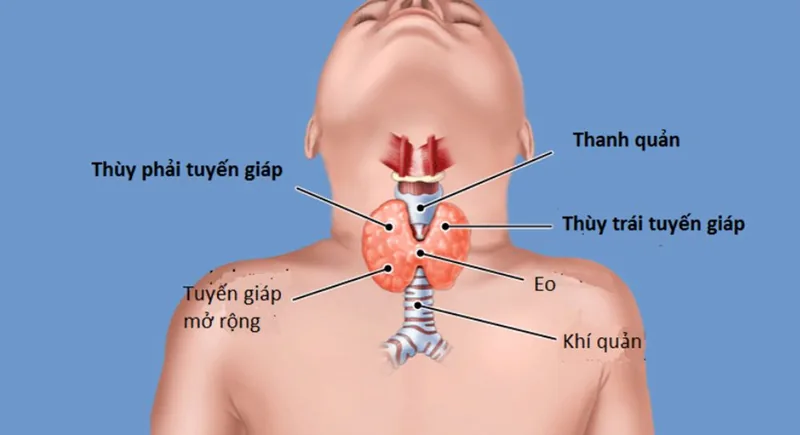
– Hyperthyroidism, clinically termed thyroid hyperfunction, represents a condition in which the thyroid gland is pathologically overactive, giving rise to diverse clinical complications. The thyroid is a vital endocrine organ situated in the neck that secretes essential hormones to regulate systemic bodily processes.
Clinical Insights into Hyperthyroidism
- Beyond regulating circulating calcium levels, the thyroid gland plays an indispensable role in accelerating metabolic turnover, thermoregulation, and stimulating cardiovascular and neurologic function. When the thyroid gland secretes an excess of hormones, clinical manifestations of hyperthyroidism develop.
Who is most commonly affected by hyperthyroidism?
Hyperthyroidism is a prevalent condition that affects women significantly more often than men, with an incidence rate approximately three times higher. While it can occur at any stage of life, older adults often present with less discernible or atypical symptoms.
What are the characteristic symptoms of hyperthyroidism?
- Palpitations: A sensation of a rapid, pounding heartbeat in the chest, which may occasionally lead to chest pain and shortness of breath.
- Heat sensitivity (Heat intolerance): Due to an elevated basal metabolic rate, patients with hyperthyroidism often have a higher core body temperature, causing pronounced discomfort in warm environments or during hot weather.
- Diarrhea: Persistent diarrhea may serve as an indicator of hyperthyroidism, stemming from accelerated intestinal motility.
What are the hallmark signs for recognizing hyperthyroidism?
- Rung tay: Involuntary hand tremors, typically presenting with a fine amplitude and high frequency.
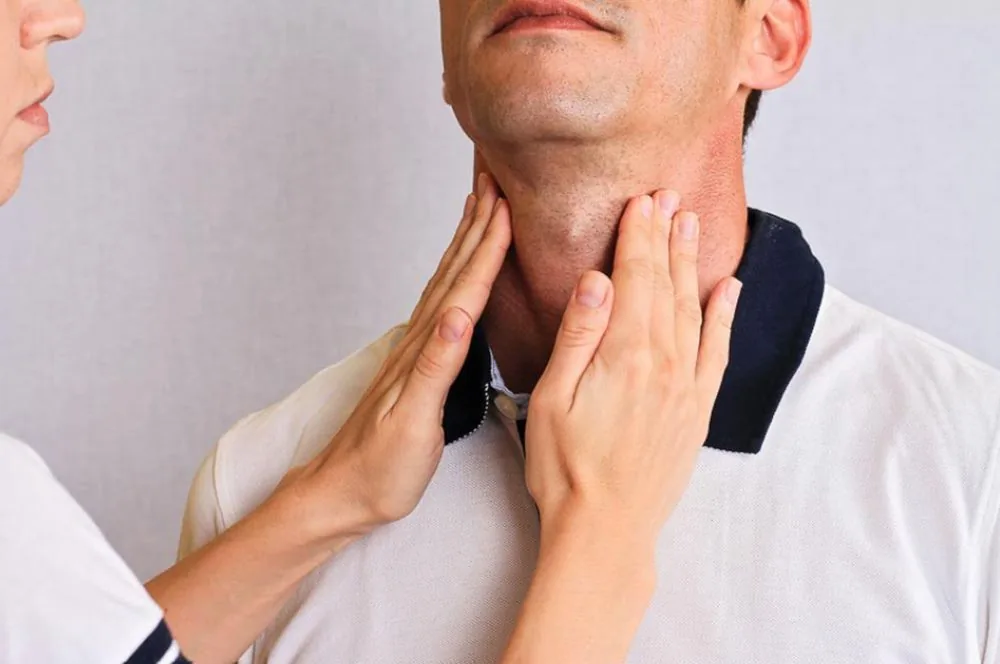
- Goiter: An enlargement of the anterior neck region resulting from thyroid hypertrophy (goiter).
- Weight and metabolic imbalance: Patients frequently experience unexplained weight loss despite maintaining a normal or increased appetite, at times losing several kilograms within a single month.
- Excessive sweating (Diaphoresis): Along with heat sensitivity, hyperthyroid patients often sweat, even when not active.
Mood changes, irritability, anxiety. - Sleep disturbances: Difficulty falling asleep, fragmented or non-restorative sleep, and an overall reduction in total sleep duration.
- Fatigue and lethargy: A pervasive sense of fatigue, impaired exercise tolerance, and a general reluctance to engage in physical activities.
What causes hyperthyroidism?
- The primary etiology of hyperthyroidism is Graves' disease. In this autoimmune condition, the thyroid gland is stimulated into hyperfunctioning, prompting excessive hormone secretion. Graves' disease accounts for approximately 80–90% of diagnosed hyperthyroidism cases.
- In addition, secondary etiologies include:
- Thyroiditis: This condition involves inflammation of the thyroid gland, which disrupts normal glandular function and can induce transient hyperthyroidism.
- Toxic Goiter / Toxic Nodule: This is a thyroid nodule that autonomously synthesizes and secretes thyroid hormones beyond the body's natural regulatory control.
- Excessive Thyroid Hormone Intake: Excessive dosage or prolonged use of thyroid medications can precipitate exogenous hyperthyroidism.
- Nevertheless, Graves' disease remains the predominant cause of hyperthyroidism.
Diagnosis and Management of Hyperthyroidism
Diagnostic Approaches for Hyperthyroidism
Physicians evaluate hyperthyroidism through a comprehensive clinical history, physical assessment, and specialized blood panels measuring circulating thyroid hormone levels. Supplementary thyroid scintigraphy scans or high-resolution ultrasound imaging may be indicated to appraise glandular morphology. A referral to an endocrinologist may also be recommended.
Optimal Therapeutic Modalities for Hyperthyroidism
- Physicians typically structure therapeutic protocols around downregulating circulating thyroid hormone concentrations. This clinical endpoint is achieved through pharmacotherapy, radioactive iodine ablation, or surgical intervention.
- Regarding pharmacological therapy, courses of treatment may extend from several months to several years, or longer depending on clinical trajectory.
- Antithyroid agents such as propylthiouracil (PTU) and methimazole are prescribed to inhibit thyroid hormone synthesis. These medications may serve as definitive therapy or as neoadjuvant preparation prior to subsequent interventions.

How Is Hyperthyroidism Treated?
- Radioactive iodine (RAI) therapy is utilized to ablate hyperactive thyroid tissue. This modality is generally indicated for patients aged 21 and older or for presentations refractory to medical management alone.
- Surgical resection is indicated for patients presenting with pronounced thyroid enlargement (goiter) causing mass effect or structural compromise of adjacent cervical anatomical structures.
- Surgery also represents a viable modality for individuals electing against radioactive iodine therapy. In select clinical instances, surgical intervention may be indicated for pregnant patients.
- Guided by each patient's individual clinical status, the physician will customize an optimal treatment regimen to alleviate symptomatology and maintain definitive control over hyperthyroidism.
Potential Complications of Hyperthyroidism
- Cardiovascular Complications: The most profound complications of hyperthyroidism involve the cardiovascular system, potentially predisposing patients to persistent tachycardia, arrhythmias, or congestive heart failure.

Is Hyperthyroidism Critical? Risks and Associated Complications
- Skeletal Fragility and Osteoporosis: Sustained high levels of thyroid hormone accelerate bone turnover and impair calcium incorporation into the skeletal matrix, leading to reduced bone mineral density and osteoporosis.
- Ocular Complications: Graves' ophthalmopathy (exophthalmos) can manifest with notable ocular symptoms, including conjunctival hyperemia, periorbital edema, blurred vision, photophobia, or diplopia. Left untreated, progressive disease may result in irreversible structural damage and vision loss.
- Erythema and swelling: In rare instances, individuals with Graves' disease may present with dermatological manifestations, notably localized erythema and pretibial swelling involving the lower legs and the dorsum of the feet.
As outlined above, hyperthyroidism can lead to serious complications, including cardiovascular disorders, increased bone fragility, ophthalmic conditions, pretibial dermopathy, and the risk of thyrotoxic crisis. For optimal clinical outcomes and tailored guidance, we recommend consulting our medical specialists to explore appropriate management and supportive therapeutic options.
Proactively protect your health with our experienced specialist doctors and advanced medical equipment.
📞 BOOK AN APPOINTMENT NOW: (+84) 28 2200 8686 – (+84) 901 295 399
⏰ Monday – Saturday: Morning 7:30 AM – 12:00 PM, Afternoon 1:30 PM – 5:00 PM | 24/7 Emergency: ((+84) 937 389 539)
💳 Full nationwide health insurance coverage & Direct billing for private insurance accepted
