
Chickenpox in children:
Symptoms and safe treatment methods that mothers need to know.

Chickenpox is an acute contagious infection caused by the varicella-zoster virus, characterized by an itchy, vesicular rash accompanied by fever. The virus spreads rapidly via direct contact with an infected individual or contaminated fomites. Below, we review the clinical signs, etiology, and safe management protocols for pediatric varicella.
Clinical Overview of Pediatric Varicella
Pediatric chickenpox is an acute viral infection that peaks during warm, humid transitional weather and transmits swiftly within congregate environments. It predominantly affects children under 15 years of age—especially infants under 12 months—and increases the lifetime risk of developing herpes zoster by 4.5-fold compared to uninfected peers.
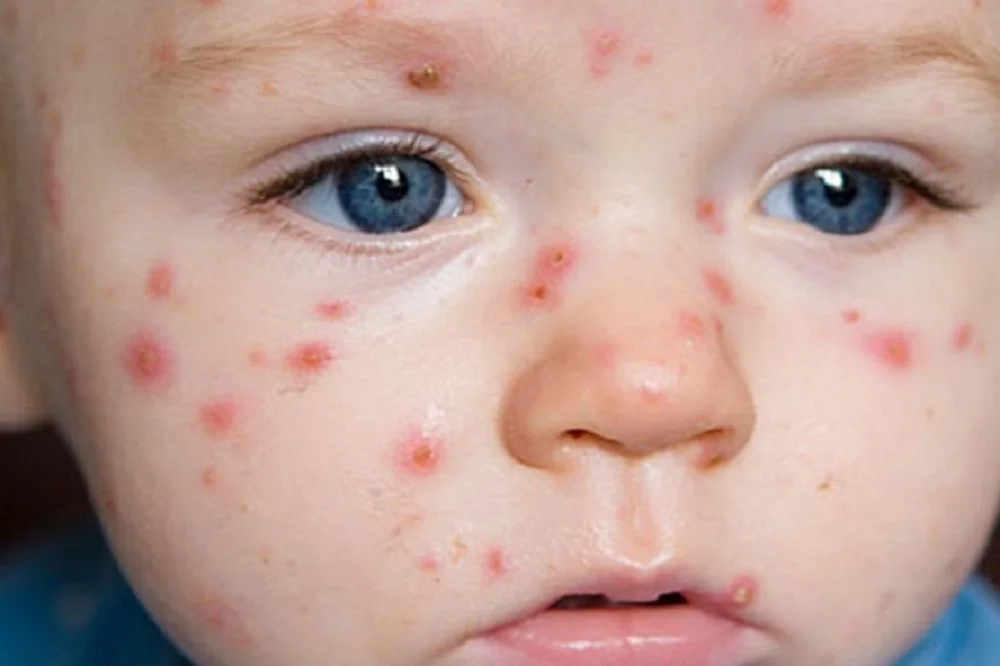
Pediatric Varicella (Chickenpox)
The initial symptoms of chickenpox in children typically include fatigue, fever, loss of appetite, and swollen lymph nodes. After about 1-2 days, the child will begin to develop a rash with many small blisters that cause itching in the chest, back, abdomen, and face, which then spreads throughout the body. The blisters will eventually burst and form scabs, usually lasting about 1 week and taking a few more weeks for the scabs to fall off.
Statistics show that more than 4 million people worldwide contract chickenpox each year, with about 10,000 cases requiring hospitalization for treatment. In Vietnam, nearly 3,200 cases of chickenpox were recorded in the first two months of 2023, a significant increase compared to the same period in 2022. Most patients belong to the preschool and elementary school age group.
Potential Severity and Complications of Pediatric Varicella
Varicella in pediatric patients is typically self-limiting and resolves without severe sequelae under supportive care. Nevertheless, certain clinical complications may develop in specific cases, including:
Secondary Bacterial Infection: Excoriation or premature rupture of vesicles and crusts can introduce secondary bacterial skin infections. In these instances, careful dermatologic hygiene and preventing mechanical trauma to the skin are critical to avoid superinfection.
Ocular Complications: Ocular involvement may occasionally occur, presenting as varicella conjunctivitis or keratitis. If the child presents with ocular hyperemia, periorbital edema, or profuse discharge, prompt medical evaluation by an ophthalmology specialist is recommended.
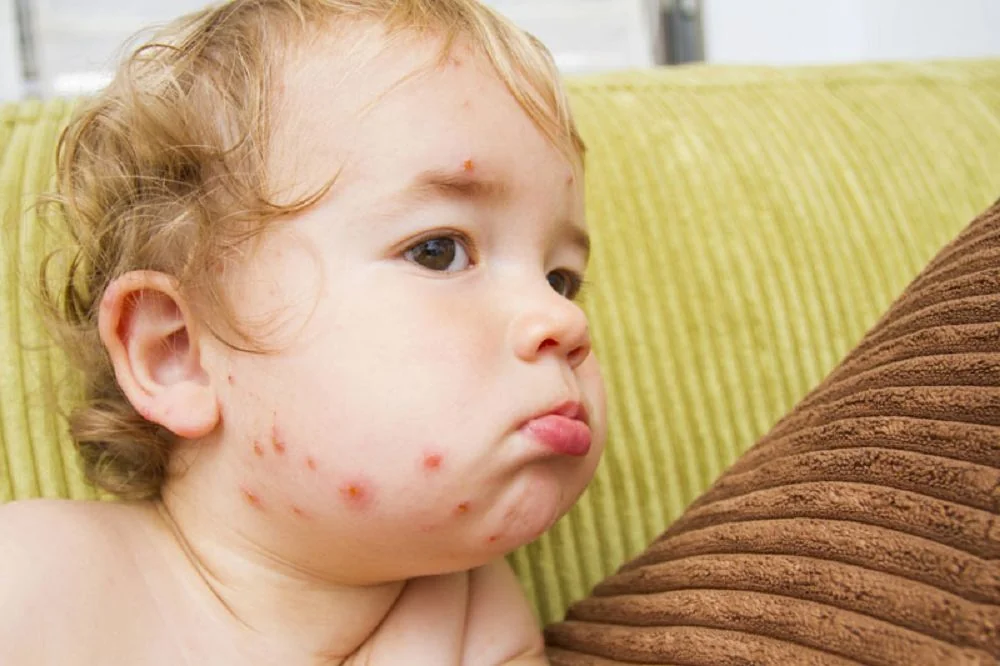
Evidence-Based Management of Pediatric Varicella to Prevent Severe Complications
Pulmonary Complications: A small percentage of children may develop varicella pneumonia. While rare in the pediatric population, this pulmonary complication can be critical in immunocompromised patients.
Long-Term Risk of Herpes Zoster: Children with a history of varicella have an increased susceptibility to herpes zoster (shingles) later in life, a dermatologic condition characterized by localized neuropathic pain and vesicular eruptions. However, viral reactivation does not occur in all infected individuals.
Etiology and Safe, Effective Clinical Care for Pediatric Varicella
Etiology of Pediatric Varicella
Pediatric chickenpox is caused by the varicella-zoster virus (VZV), a member of the *Herpesviridae* family. Measuring between 150 and 200 nm, this enveloped double-stranded DNA virus possesses a molecular weight of approximately 80 × 10⁶ Daltons.
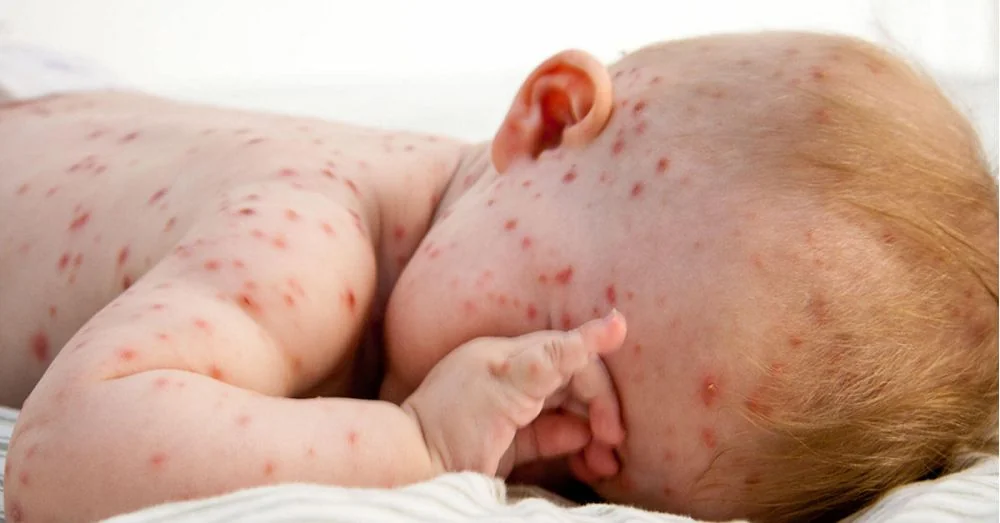
Essential Insights into the Causes and Transmission of Pediatric Varicella
Chickenpox in children is primarily transmitted through the respiratory route, via direct contact with droplets containing the virus in the air, which are dispersed when an infected person coughs, sneezes, or talks. Additionally, the Varicella Zoster virus can also survive in chickenpox scabs in the air for several days or adhere to some hard surfaces, personal items, etc. Children can contract chickenpox when they come into contact with these objects, even through shared activities in high-risk environments such as schools, kindergartens, etc.
Additionally, children are a group with an incomplete immune system, especially those who have not been fully vaccinated. At the same time, children are too young and cannot protect themselves from the attacks of pathogens or effectively implement measures to prevent chickenpox. Therefore, children often cannot avoid exposure to the virus and spread the disease quickly when interacting with peers.
Safe and Prompt Treatment Approaches for Pediatric Varicella
While pediatric chickenpox is often managed in a home setting, an in-person clinical assessment is essential to evaluate severity and establish an individualized, evidence-based care protocol. Modern therapeutic strategies focus on alleviating pruritus and fever, ensuring physical comfort, and preemptively preventing complications, particularly secondary bacterial superinfections.
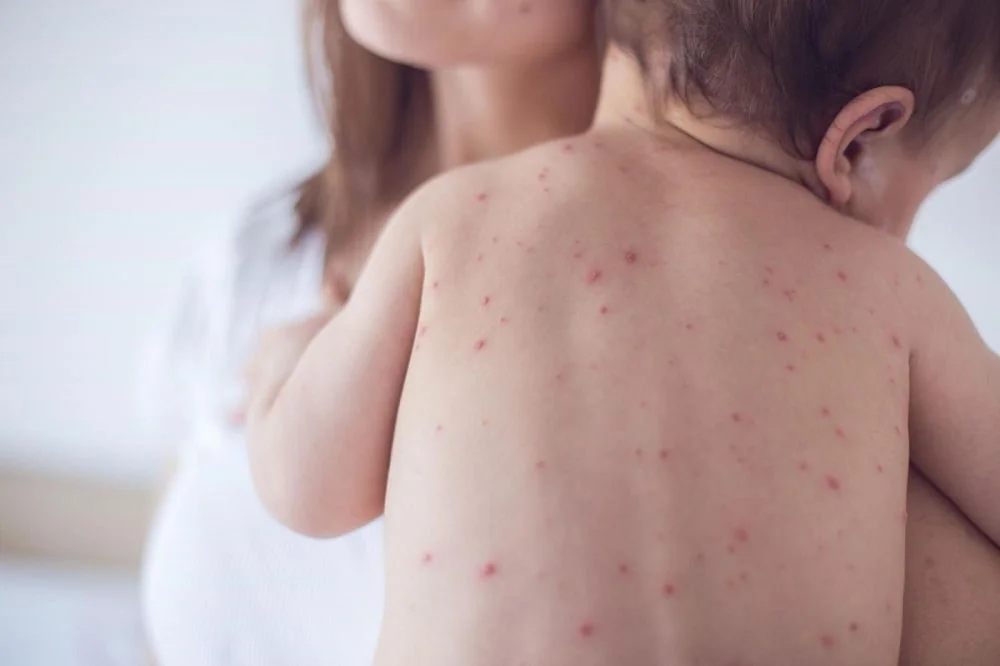
Selecting Safe, Promptly Effective Treatments for Pediatric Varicella
Pharmacotherapy Protocols: Antiviral agents, antipyretics, analgesics, and select vitamin supplements are commonly recommended in pediatric chickenpox management. Should secondary bacterial infection occur, your physician may prescribe an appropriate antibiotic. Please ensure all medications and dosages strictly adhere to medical guidance.
Home Care and Supportive Management: For mild presentations, young patients may recover comfortably at home following their prescribed regimen, complemented by scheduled clinical follow-ups. Essential home care guidelines include:
- Gently apply methylene blue or a 1:4000 potassium permanganate solution directly onto ruptured vesicles to protect against secondary infection.
- Apply calamine lotion or administer prescribed oral antihistamines, such as chlorpheniramine, to gently soothe pruritus.
- Dress your child in soft, loose-fitting, and breathable garments crafted from absorbent fabrics to minimize friction against skin lesions.
- Keep fingernails neatly trimmed and consider soft mittens during sleep to prevent unintentional scratching.
- Administer prescribed antipyretics or analgesics should your child experience elevated temperatures or notable body discomfort.
- Maintain gentle daily hygiene and provide fresh clothing regularly to keep the skin pristine, aerated, and safeguarded against infection.
- Encourage adequate fluid intake to ease general discomfort and restore hydration lost during the course of the infection.
- This clinical overview provides essential insights into pediatric chickenpox—spanning risk evaluation, etiology, and safe, effective therapeutic interventions.
Given children's heightened sensitivity to respiratory and dermatological conditions, attentive parental care is vital to supporting their optimal health and development.
Proactively protect your health with our experienced specialist doctors and advanced medical equipment.
📞 BOOK AN APPOINTMENT NOW: (+84) 28 2200 8686 – (+84) 901 295 399
⏰ Monday – Saturday: Morning 7:30 AM – 12:00 PM, Afternoon 1:30 PM – 5:00 PM | 24/7 Emergency: ((+84) 937 389 539)
💳 Full nationwide health insurance coverage & Direct billing for private insurance accepted