
Carpal Tunnel Syndrome

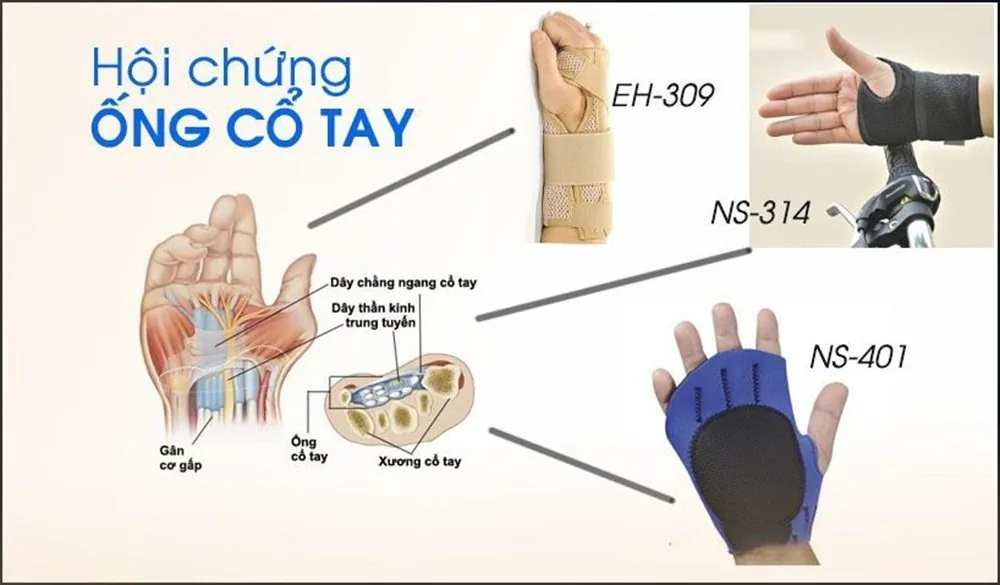
Carpal Tunnel Syndrome Commonly referred to as carpal tunnel syndrome, this condition is a prevalent entrapment neuropathy presenting with numbness, paresthesia, weakness, and sensory loss in the hand and digits. It arises from compression of the median nerve within the carpal tunnel—a rigid fibro-osseous canal bounded by the carpal bones and the transverse carpal ligament. Without timely diagnosis and intervention, it may advance to irreversible complications, including thenar muscle atrophy and permanent sensory loss in the fingers.
Etiology of Carpal Tunnel Syndrome
Carpal tunnel syndrome may be attributed to a variety of factors, including:
- Repetitive mechanical stress on the wrist, such as keyboard typing, mouse navigation, sewing, gardening, and playing musical instruments;
- Articular disorders, including rheumatoid arthritis, gouty arthritis, and osteoarthritis;
- Endocrine and metabolic dysfunctions, such as diabetes mellitus, Graves' disease, and hypothyroidism;
- Neurological conditions, such as cervical disc herniation and peripheral nerve neoplasms;
- Physiological changes, including pregnancy, menopause, and obesity;
- Structural trauma or anatomical anomalies of the carpal tunnel, such as fractures, dislocations, or osteomas.
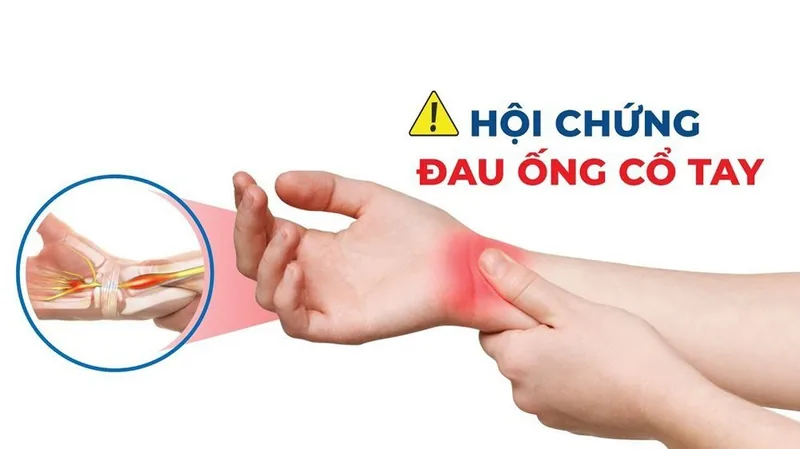
Symptoms of Carpal Tunnel Syndrome
Symptoms of carpal tunnel syndrome typically develop progressively and tend to exacerbate at night or upon waking in the morning. Clinically, the disease progression is categorized into three distinct stages:
– Early Stage:
- Pain and paresthesia (numbness) in the hand and digits—predominantly affecting the thumb, index, middle finger, and half of the little finger—with potential radiation upward along the forearm and upper arm.
- A sensation of swelling and burning discomfort throughout the hand.
- Symptoms may arise intermittently during activities requiring prolonged wrist flexion or extension, such as long-distance driving or heavy manual tasks.
– Intermediate Stage:
Pain and numbness become more frequent, often triggered by routine daily activities such as short-distance driving or light domestic chores.
– Advanced Stage: Clinical manifestations may include:
- Hypoesthesia or complete sensory deficit in the dermatomal areas innervated by the median nerve.
- Motor weakness and loss of dexterity when grasping objects or performing fine, intricate manual movements.
- Involuntary dropping of objects secondary to reduced grip strength or impaired proprioception in the hand.

Therapeutic Approaches for Carpal Tunnel Syndrome
Carpal tunnel syndrome may be effectively managed through the following therapeutic modalities:
Conservative Management:
- Adequate rest and minimization of repetitive movements or activities that exert pressure on the carpal tunnel.
- Immobilization with a splint or brace to maintain the wrist in a neutral position, thereby alleviating mechanical compression on the median nerve.
- Administration of analgesics and non-steroidal anti-inflammatory drugs (NSAIDs), such as ibuprofen, naproxen, and aspirin.
- Local corticosteroid injections to suppress inflammation, relieve swelling, and alleviate clinical symptoms.
- Targeted range-of-motion and stretching exercises designed for the wrist and hand musculature.
- Adjunctive modalities, including therapeutic massage, electroacupuncture, and specialized physical therapy.
Surgical Intervention:
Indicated when conservative therapies fail to provide relief, in recurrent cases, or upon presentation of progressive deficits such as muscle atrophy and persistent digital sensory loss. Currently, surgical decompression is performed using two primary approaches: open surgery and endoscopic surgery.
– Open Surgery: The conventional open technique is standard practice across major medical centers. The surgeon incises the overlying skin and the transverse carpal ligament to release mechanical entrapment, thereby expanding the carpal canal and decompressing the median nerve.
- Key Benefits: Efficient, straightforward to perform, and delivers a success rate approaching 100%.
- Limitations: Involves a larger surgical field, extended convalescence, and an elevated incidence of prominent scarring. In select cases, postoperative nerve adhesion may occur as a result of improper rehabilitation.
– Endoscopic Surgery: A minimally invasive endoscopic procedure utilizing a slender, flexible cannula fitted with a micro-camera, alongside dedicated precision instruments introduced through a minute incision at the wrist. High-definition visualization displayed on a monitor allows the surgeon to navigate and treat the affected area with exceptional accuracy.
- Key Benefits:Delivers superior aesthetic refinement with a virtually imperceptible micro-scar.
- Limitations: Demands state-of-the-art endoscopic suites and a highly specialized surgical team to minimize recurrence risks, representing a premium clinical investment.
Prevention of Carpal Tunnel Syndrome
To proactively safeguard against carpal tunnel syndrome, the following preventative measures are advised:
- Minimize activities that impose sustained mechanical pressure on the carpal tunnel, or modify the ergonomic approach.
- Ensure the wrist remains in a neutral, relaxed alignment during both activity and rest.
- Regularly stretch and rotate the wrists to promote microcirculation and maintain joint flexibility.
- Adopt ergonomic solutions, such as inclined keyboards, cushioned mouse pads, and supportive wrist splints.
- Proactively manage comorbid conditions associated with carpal tunnel syndrome, including diabetes mellitus and inflammatory arthritis.
This provides an essential overview of the clinical presentations and preventive strategies for carpal tunnel syndrome. Timely diagnosis and prompt intervention maximize therapeutic success and mitigate the risk of irreversible complications. Should you experience any of the aforementioned symptoms, we invite you to consult our medical specialists for a comprehensive evaluation and individualized care plan.
———————————————————–
Sante Hospital – Caring with all our heart 
 11A Dinh Bo Linh, Ward 24, Binh Thanh District, Ho Chi Minh City
 Hotline: (+84) 28 2200 8686
 Email: info@santehospital.com
 Website: www.benhviensante.com
Proactively protect your health with our experienced specialist doctors and advanced medical equipment.
📞 BOOK AN APPOINTMENT NOW: (+84) 28 2200 8686 – (+84) 901 295 399
⏰ Monday – Saturday: Morning 7:30 AM – 12:00 PM, Afternoon 1:30 PM – 5:00 PM | 24/7 Emergency: ((+84) 937 389 539)
💳 Full nationwide health insurance coverage & Direct billing for private insurance accepted